Selecting Your Roofing Materials

Tile Roofing

Tile roofing offers a timeless aesthetic and exceptional durability, making it a popular choice for homeowners seeking both beauty and longevity. Our selection includes four primary types: clay, concrete, stone-coated steel (such as DECRA), and 100% polymer tiles like Brava. Each material comes in various profiles, allowing you to choose the perfect shape and style to compliment your home’s architecture. 

Material Selection

Clay Tile Roofing System

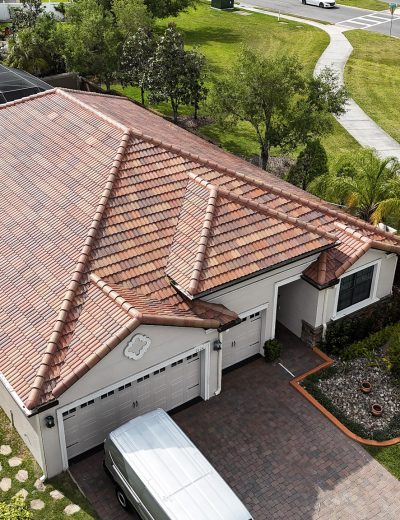
Clay tile roofing offers timeless beauty and exceptional longevity, making it a premium choice for homeowners seeking both style and durability. With natural thermal properties, clay tiles help regulate indoor temperatures, improving energy efficiency in hot climates. Resistant to fire, rot, and extreme weather, clay tiles can last over 50 years when properly maintained, making them an ideal option for long-term value.

31-Photo Apr 09 2024, 4 29 29 PM

Timeless Aesthetic and Durability

Clay tiles offer a classic and elegant appearance that enhances curb appeal. They are highly durable, with lifespans often exceeding 50 years, and are resistant to fire and rot.

Energy Efficiency

The natural thermal properties of clay help regulate indoor temperatures, potentially reducing energy costs. However, their weight requires a robust roof structure to support them.

Higher Installation Costs

Clay tiles can be more expensive to install due to their weight and the need for specialized labor. Additionally, they can be brittle and may crack under heavy impact.
Material Selection

Concrete Tile Roofing System

Concrete tile roofing combines durability, versatility, and affordability, making it a popular choice for residential and commercial applications. Available in a variety of styles and colors, concrete tiles can mimic the look of clay or slate while providing excellent protection against the elements. With proper care, concrete tiles can last 30 to 50 years, delivering both performance and aesthetic appeal.

Cost-Effective Durability

Concrete tiles provide a durable roofing solution at a lower cost compared to clay. They can last 30 to 50 years and are resistant to fire and insect damage.

Versatile Design Options

Available in various colors and styles, concrete tiles can mimic the appearance of more expensive materials. However, like clay, they are heavy and require adequate structural support.

Moisture Management

Concrete tiles have a more porous composition than clay, which means they can absorb moisture over time. Proper sealing and regular maintenance help prevent issues and ensure long-lasting performance.
heritage-series-black-walnut-phillipsburg-straight
Material Selection

Metal and Steel Tile Roofing System

Stone-coated steel roofing blends the strength of metal with the classic appearance of traditional tile, offering a durable and lightweight solution. Highly resistant to wind, hail, and other extreme weather conditions, this roofing system provides superior protection while maintaining a refined look. With minimal maintenance and a lifespan exceeding 50 years, stone-coated steel is ideal for homeowners seeking strength and style.

heritage-series-black-walnut-phillipsburg-straight

Superior Strength and Longevity

Stone-coated steel tiles combine the durability of metal with the aesthetic appeal of traditional tiles. They are lightweight, resistant to extreme weather, and can last 50 years or more.

Low Maintenance Requirements

These tiles require minimal maintenance and are resistant to cracking and warping. However, they can be more expensive than traditional tile options.

Limited Color Options

While offering a range of styles, the color selection may be more limited compared to other tile and traditional roofing materials.
Material Selection

Synthetic Tile Roofing System

Synthetic polymer roofing materials replicate the look of natural slate, cedar shake, or clay while offering enhanced durability and weather resistance. These lightweight tiles are eco-friendly, often made from recycled materials, and require minimal maintenance. Polymer tiles are designed to withstand extreme weather conditions and maintain their appearance for over 50 years, making them a modern and sustainable roofing choice.

Innovative Design and Performance

Polymer tiles replicate the look of natural materials like slate or cedar while offering enhanced durability and weather resistance. They are lightweight and can last over 50 years.

Eco-Friendly and Versatile

Often made from recycled materials, polymer tiles are environmentally friendly and available in various colors and styles. However, they can be more expensive upfront compared to traditional options.

Variable Lead Times

These high-quality materials are often highly customized and made to order, potentially leading to longer lead times for installation.
heritage-series-black-walnut-phillipsburg-straight

Frequently Ask Questions?

A step up in affordability from exposed fastener metal roofing would be standing seam metal roofing. Standing seam systems eliminate exposed fasteners by using concealed clips and interlocking panels, providing superior weather resistance and a more polished aesthetic. These roofs are ideal for homeowners or businesses seeking increased durability, sleek design, and minimal maintenance while still enjoying the long lifespan of metal roofing.

For those seeking a more premium option, Brava Polymer Tiles or DECRA Stone-Coated Steel Tiles. Both offer an exceptional blend of durability and aesthetics. Brava tiles replicate the look of slate, shake, or barrel tile while being lightweight and weather-resistant, making them ideal for high-end residential applications. DECRA systems provide the strength of metal combined with the classic appearance of tile or shingles, delivering superior performance and longevity. These materials are perfect for homeowners or architects prioritizing style, durability, and a unique roof profile.

Exposed fastener metal roofs are generally quicker and less complex to install compared to standing seam systems, potentially reducing labor costs. Metal roofing, whether Exposed Fastener or Standing Seam, requires specialized installation compared to traditional materials like asphalt shingles. Exposed fastener systems are quicker and more straightforward to install, as the panels are secured with visible fasteners directly into the roof decking, making them a cost-effective option for budget-conscious projects. In contrast, standing seam metal roofing features concealed fasteners and interlocking panels that demand precision and skill, ensuring superior weather resistance and a sleek, seamless look. Both systems require proper underlayment and expansion considerations to account for thermal movement, and professional installation is crucial to maximize performance.

Standing seam systems are designed with concealed fasteners and interlocking panels, which create a watertight barrier against leaks and high winds. This makes them especially effective in regions like Florida, where hurricanes and extreme weather are common. Combined with proper installation, standing seam roofs offer some of the best protection available. 

Maintenance for exposed fastener roofs includes regular inspections to ensure fasteners are tight and sealants remain intact. Fasteners can loosen over time due to thermal expansion, and periodic tightening prevents water intrusion. Additionally, inspecting for rust or corrosion and replacing damaged panels when necessary is essential.

A surprise for many, no! Without proper underlayment or insulation, metal roofs can amplify noise during heavy rain or hail. Adding a sound-dampening underlayment during installation makes your home or building quieter and more comfortable. 

In many cases, standing seam metal roofs can be installed directly over an existing roof, saving time and disposal costs. This method must comply with local building codes and depends on the structural condition of the existing roof. Contact us for a Free Roof Inspection and Consultation to discuss options for your upcoming project, and to determine if your home or building is suitable for a metal overlay.

Yes, metal roofs are highly energy-efficient due to their reflective surfaces and depending on its color, which reduce heat absorption and cooling costs in warm climates. While black absorbs more heat, the metal itself still reflects a significant amount of heat away from the home, making it more efficient than traditional asphalt shingles.

If maximize energy efficiency is important to your roofing decision, consider lighter colored metal roofs, often referred to as "cool roofs." Some systems are even ENERGY STAR® rated and may qualify for energy-saving tax incentives.
In The Real World

A Sneak Peak