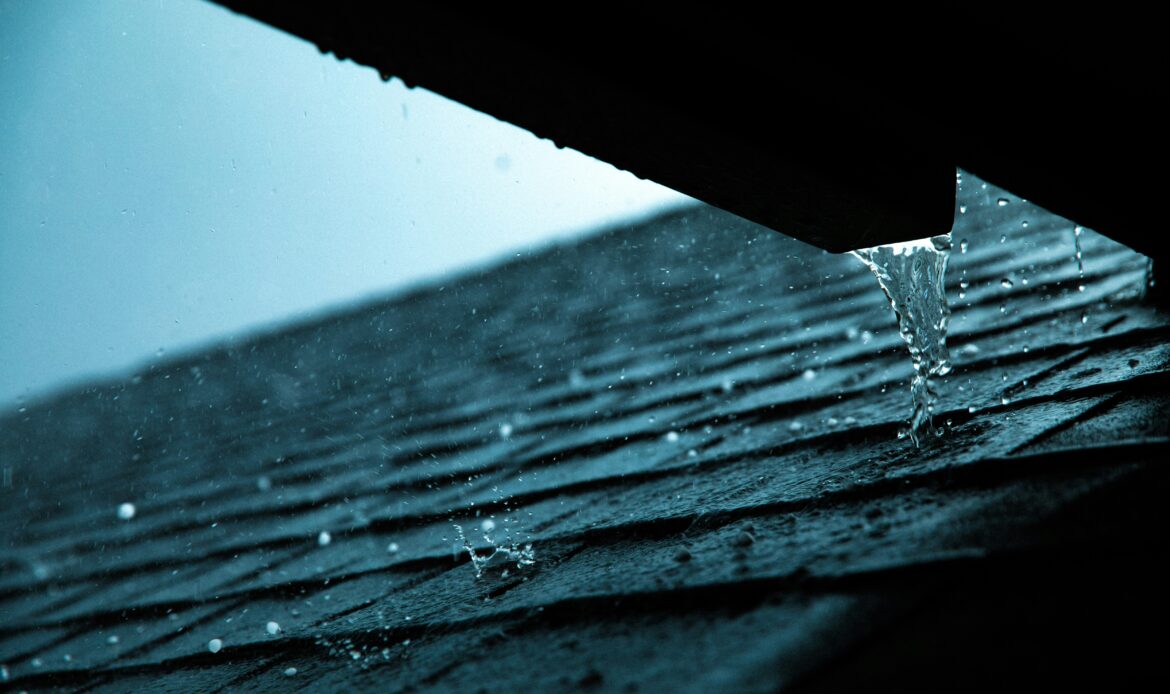
Central Florida just took another beating. Since early July, severe storms dumped quarter-inch hail, gusted over 60 mph around Orlando and Tampa, and unleashed flash-flood lightning—all before the main hurricane season even peaks. These conditions threaten roofs more than many homeowners realize—and they demand immediate attention. In Apopka and across neighborhoods from East Orlando to Brandon in Greater Tampa Bay, we inspected properties with visible bruising on asphalt shingles, lifted ridge caps, and detached flashing.
In more than a few cases, homeowners hadn’t noticed a thing—until we showed them photos from the roof. As always, we were on the ground this week, inspecting homes. Here’s what you need to know and do if your roof was under the radar during these storms.
What Just Hit Us (July 9–15, 2025)
July 9: Central Florida saw 60 mph wind gusts and quarter‑inch hail—many reported damaged shingles and flashing failures in Apopka and Orlando
July 13–14: Widespread evening storms brought heavy rain, small hail, and lightning—another round of impact and wind pressure .
July 14–15: Flash flood watches issued across the peninsula; the intense moisture increased hydrostatic pressure on roofing systems and attic spaces
Why This Matters for Your Roof
Hail Bruising — Even quarter-inch hail chips asphalt, dislodges granules, and dents metal — often unseen until leaks appear.
Wind Uplift — Gusts over 50 to 60 mph can lift and crack shingles near edges and penetrations. Loosened flashings become leak paths.Flash Flood/Burst Water — Ground-level flooding can cause water to back up into underlayment and soffits, softening the wood base.
What Every Central Florida Homeowner Can Do Next
Schedule a Roof Inspection
We offer rapid-response inspections—professional, photo-documented, and insurance-ready.Document Everything Now
Capture dated photos of your roof, gutters, siding, and any interior signs of water intrusion.Watch for Delayed Damage
Don’t wait for leaks—check ceilings, attic spots, and granule accumulation in gutters weekly.File Claims Quickly
Florida homeowners have up to 3 years for storm claims—but early filings are stronger.Maintain Your Documentation
Keep all inspection and repair records. This protects warranties and reinforces insurance claims.